
THE BUILDING PRODUCT E-BULLETIN
THE BUILDING PRODUCT E-BULLETIN
08 July 2026


Park Green, Macclesfield, Cheshire, United Kingdom, SK11 7LZ
T: 01625 428 922
E: contractuk@gerflor.com
W: https://www.gerflor.co.uk/
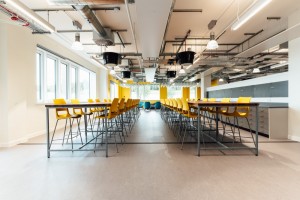
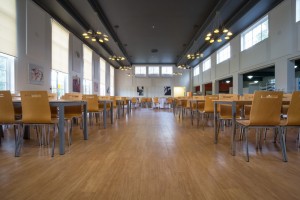
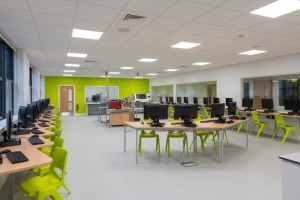
Summer refurbishments provide education facilities with a practical opportunity to upgrade their environments with minimal disruption. With reduced footfall across schools, colleges and universities, estates teams can carry out essential works more efficiently, ensuring spaces are ready for the new academic year. Flooring plays a central role in these upgrades, influencing safety, durability, hygiene and overall performance across a wide range of environments.
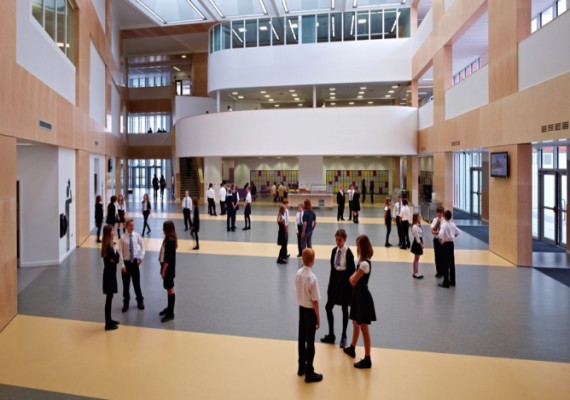
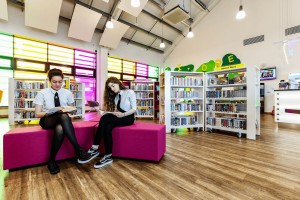
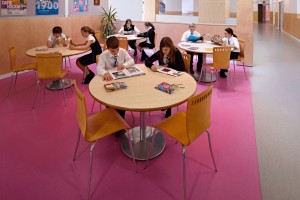
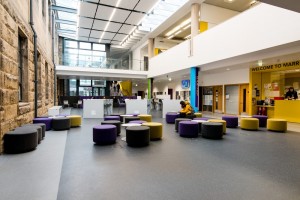
Department for Education (DfE) guidance sets clear expectations for flooring, focusing on durability, slip resistance, ease of maintenance and suitability for specific use cases. Rather than a one-size-fits-all approach, flooring must be selected based on the demands of each individual space. High-traffic areas such as corridors and entrances require robust, slip-resistant materials, while classrooms and libraries benefit from solutions that support acoustics and comfort. Specialist areas, including sports halls, laboratories and wet environments, demand more technical performance, from shock absorption to chemical resistance and enhanced hygiene.
Modern flooring solutions also support faster installation, helping projects stay on schedule during tight summer programmes. In addition to performance, sustainability is becoming increasingly important, with many products now designed to reduce environmental impact through longer lifecycles, recycled materials and lower maintenance requirements.
Taking a complete solution approach across flooring, wall protection and accessories can further enhance consistency, simplify specification and improve long-term value. By aligning refurbishment projects with DfE guidance and selecting fit-for-purpose solutions, education providers can create safer, more inclusive and future-ready learning environments.
View Previous Article
From Risk to Performance: What Commercial Rooflight Specifiers Need to Know

TSP Media
Grosvenor House
Central Park
Telford
TF2 9TW