
THE BUILDING PRODUCT E-BULLETIN
THE BUILDING PRODUCT E-BULLETIN
06 August 2026


Unit 40, Block 5 Third Road, Blantyre Ind. Estate, Blantyre, None, United Kingdom , G72 0UP
T: 01698 820533
E: info@electric-heatingcompany.co.uk
W: https://www.electric-heatingcompany.co.uk/
As the UK continues its transition away from volatile fossil fuels, heating specification is becoming less about selecting a single “best” solution and more about choosing the most appropriate system for each individual project.
For specifiers, consultants and developers, this means balancing performance, cost, practicality and compliance within increasingly complex building environments.
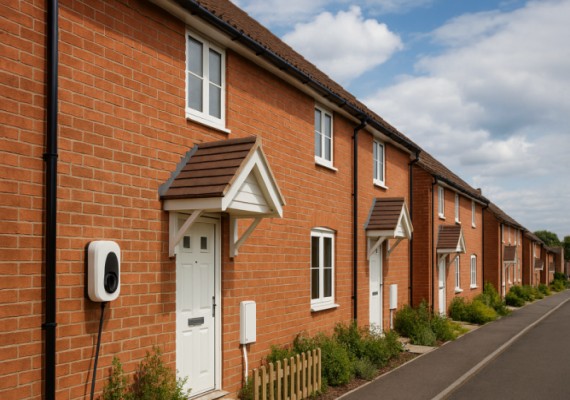
In new-build settings with optimal conditions, heat pumps are playing an important role. However, across the UK’s sizeable and often challenging retrofit landscape, constraints such as limited space, existing system layouts, planning restrictions and occupied dwellings can significantly influence system choice. In these scenarios, a more flexible approach to heating specification is essential.
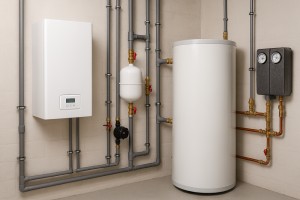
Electric heating systems have evolved to meet this need. Modern electric boilers and radiators offer a practical alternative where low disruption, ease of installation and compatibility with existing infrastructure are key considerations. Without the requirement for flues or external units, these systems can be particularly well suited to apartments, flats and properties where space is limited or external alterations are not viable.
For specifiers, one of the key advantages lies in simplicity and predictability. Electric systems integrate easily into wet heating designs or operate as standalone solutions, allowing greater flexibility when working within the limitations of existing buildings. This can help to streamline project delivery while reducing design complexity and coordination challenges on site.
Control is another important factor. With increasing emphasis on energy efficiency and user behaviour, electric heating supports zoned and demand-led operation, enabling occupants to heat spaces as required. This aligns with wider regulatory and design objectives, where reducing energy consumption through smarter usage is becoming as important as improving system efficiency itself.
Alongside heating, ventilation remains a critical component of building performance. As fabric standards improve and buildings become more airtight, ensuring effective and energy-efficient ventilation is essential to maintaining indoor air quality.
Heating and ventilation systems must therefore be considered together, forming part of a coordinated strategy that delivers comfort, compliance and long-term performance.
Ultimately, there is no universal solution to decarbonising heat. The most effective outcomes will come from selecting technologies based on the needs of the building and its occupants.
By taking an application-led approach, specifiers can ensure that each project achieves a balanced and practical solution.
The Electric Heating Company supports this approach through a range of electric heating solutions designed to integrate easily into both new and existing buildings, backed by technical guidance to assist with system selection and design.

TSP Media
Grosvenor House
Central Park
Telford
TF2 9TW