
THE BUILDING PRODUCT E-BULLETIN
THE BUILDING PRODUCT E-BULLETIN
29 January 2026



Mile End Business Park, Maesbury Road, Oswestry, Shropshire, United Kingdom, SY10 8NR
T: 01691 664100
E: enquiries@aico.co.uk
W: https://www.aico.co.uk/
In fire safety, prevention and early warning are the most effective ways to reduce harm. This is particularly true for children, who are uniquely vulnerable due to limited risk perception, deep sleep patterns, and a dangerous tendency to hide rather than evacuate during an emergency. While building standards have improved, UK homes still account for a significant proportion of fire incidents. Improving outcomes demands effective detection, clear evacuation plans, and inclusive strategies.
Prevention and Risk
Domestic fires frequently stem from cooking, electrical faults, and portable heaters. Prevention relies on combining environmental controls with safe habits. Key measures include:
Children must be included in these safety conversations. Simple, consistent explanations help reinforce boundaries and reduce curiosity-driven risks.
Detection Standards
Smoke alarms are the first line of defence, but they must be specified correctly. BS 5839-6 recommends LD2 and LD1 categories for higher-risk or family homes to ensure adequate warning.
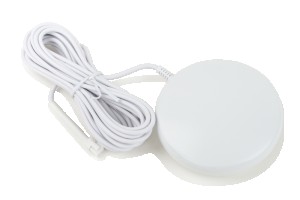
Crucially, standard alarms may not suffice for all residents. Children often fail to wake to standard tones, and those with hearing loss require alternative alerts. Solutions such as Aico’s Ei171RF Strobe Light and Ei174 Vibrating Pillow Pad are essential to ensure that vulnerable occupants are alerted immediately.
Escape Planning
An alarm provides time; a plan ensures survival. Every household requires a primary and secondary escape route, clear exits, and an agreed meeting point. Children should be taught to leave immediately, stay low in smoke, and never hide.
Regular drills reinforce these actions, which is vital for neurodivergent children who benefit from predictable routines. Furthermore, the simple "Stop, Drop, and Roll" technique remains a critical life skill for clothing fires.
Conclusion
Protecting vulnerable residents requires more than just hardware; it demands realistic escape strategies and an understanding of occupant behaviour. By combining robust system design, inclusive education, and collaboration between housing providers and fire services, we can ensure safer outcomes for families across the UK.
For more information, visit www.aico.co.uk
View Previous Article
Fassa Bortolo External Wall Insulation Solutions

TSP Media
Grosvenor House
Central Park
Telford
TF2 9TW